
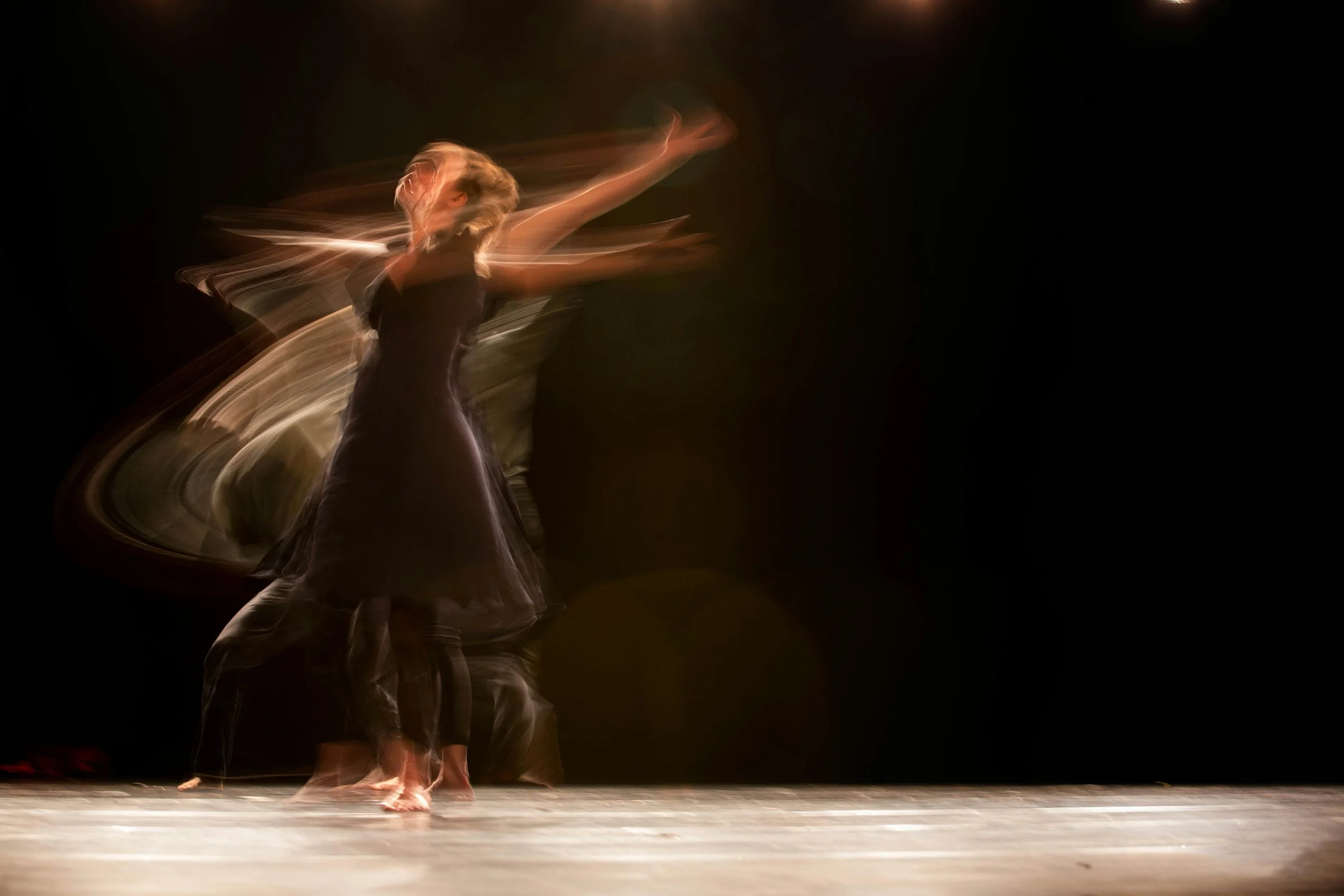
Arts in Education: Why We Care
Each of us has a story to tell. Our stories are both unique and universal. The arts education field is expansive in our perspectives and beliefs. We come from diverse backgrounds with wide-ranging artistic interests and areas of expertise. That said, there is a connective tissue that binds us across disciplines, which is both useful in finding common ground but also limiting in broader policy debates. Reaching beyond those limitations is essential to our ability to advocate collectively for change.
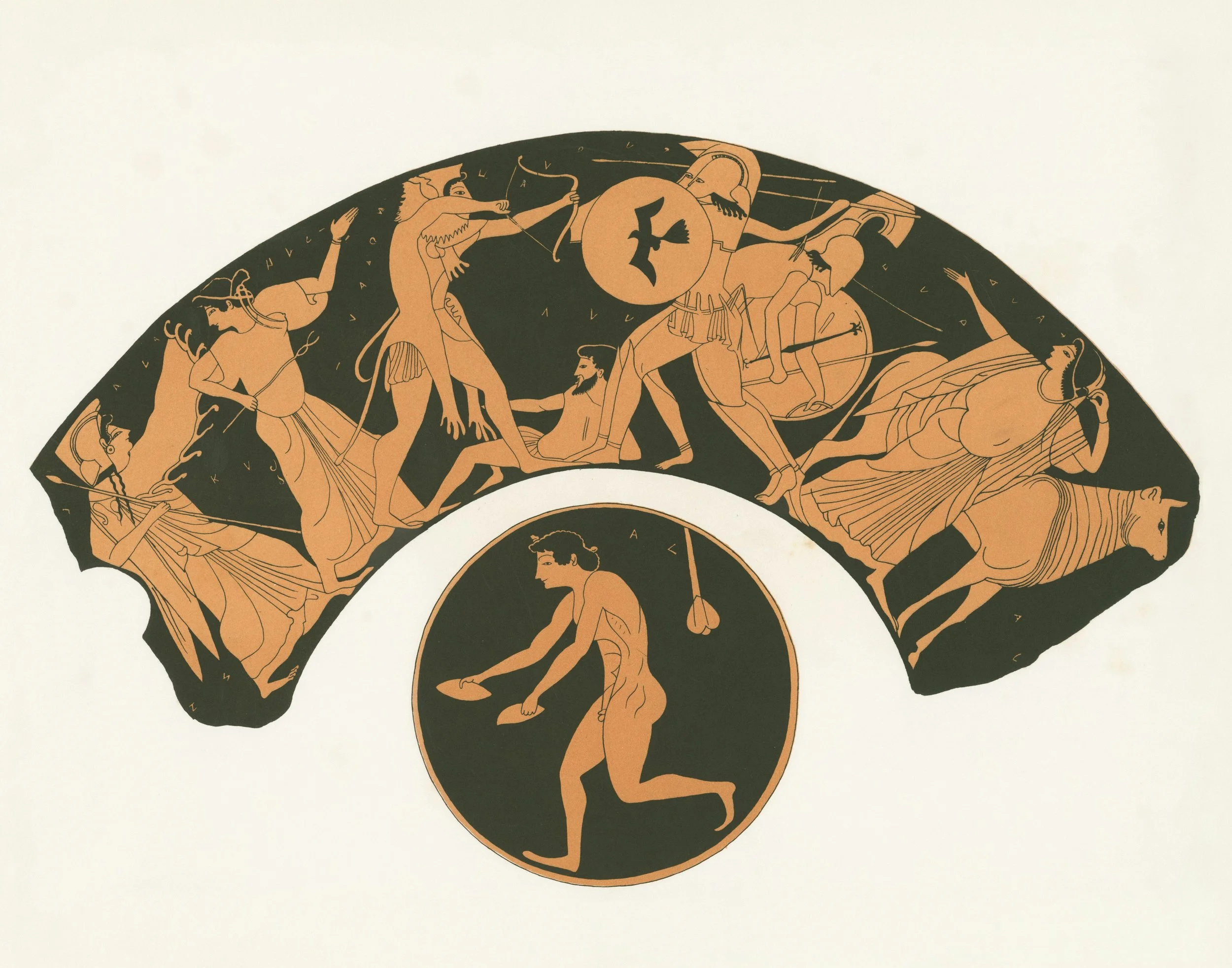
Arts Ed Myths and Misconceptions
Most people agree in theory that arts education is important. That said, many have an incomplete understanding of what arts education is and why many students don’t have access to it. Regardless of group identity— decisionmakers, educators, and others— individuals come with a unique understanding of the arts and its role in society and education that is often shaped by communal axioms and misconceptions.. Common (mis)understandings about the arts exist in the zeitgeist. This article describes some of the myths surrounding arts education with suggestions for counteracting prevailing beliefs.
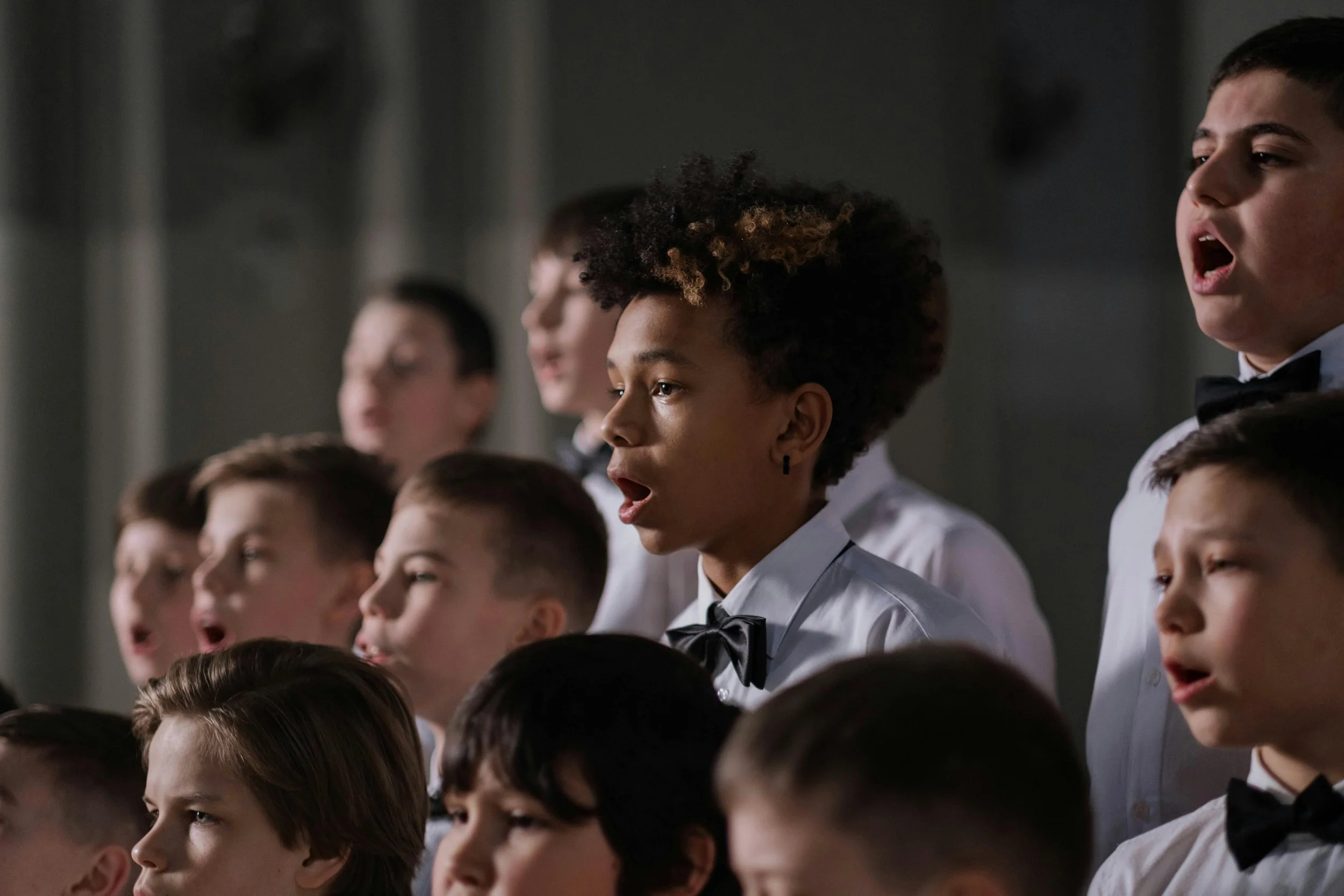
Staggered Breathing: Managing Setbacks in Arts Ed
This article is an exploration of how to manage setbacks in arts education. A setback is typically an unwelcome external force that inhibits our goals. Each setback requires its own solution. Each must be considered in context, with unique local, demographic, geographic, and political forces at play. Useful practices to manage setbacks include taking a step back, creating a cadre of informal advisors, mobilizing for action, and coalition building for the long game.
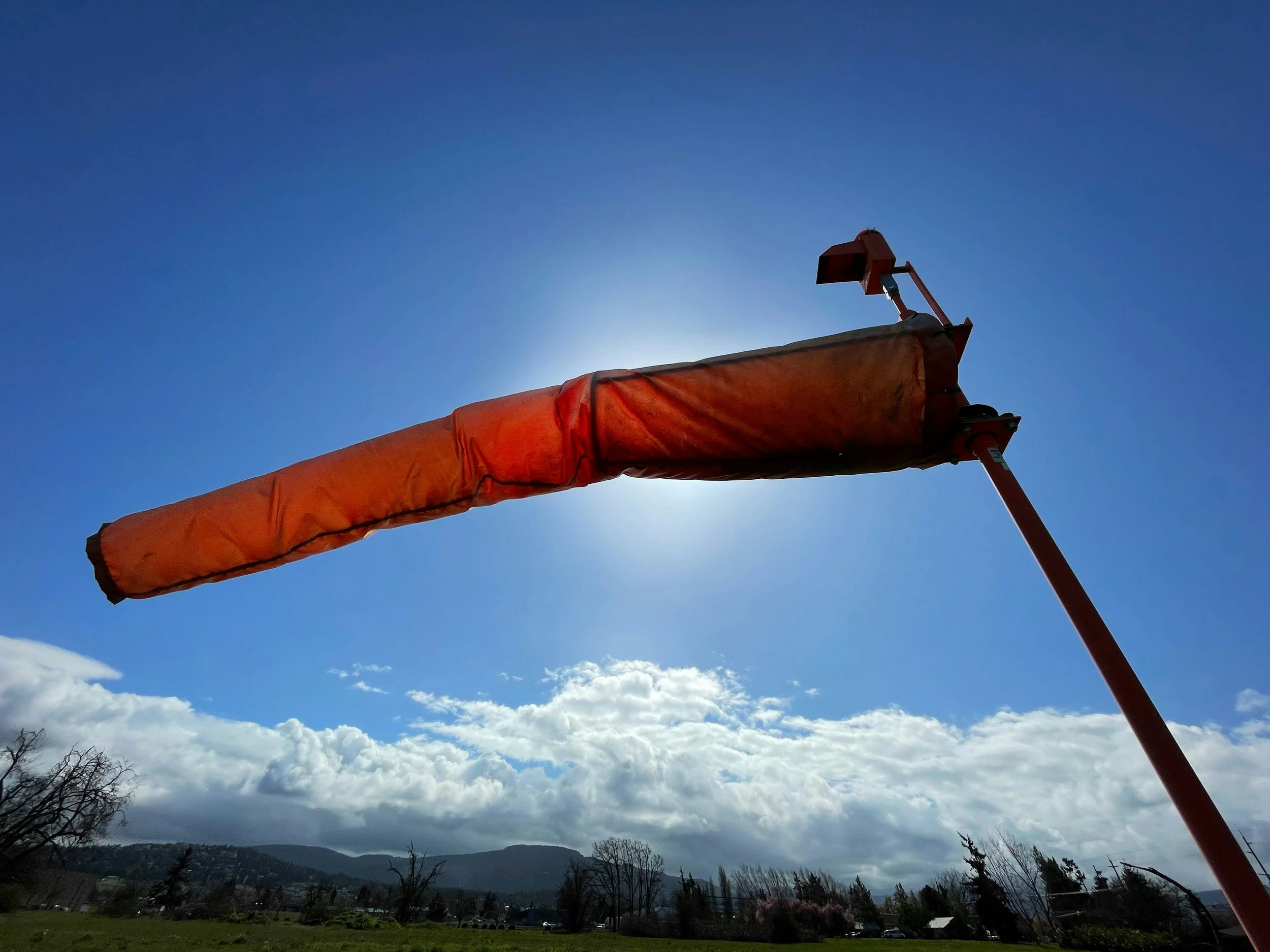
Taking Stock: Understanding Your State’s Arts Ed Landscape
Taking stock in arts education is about more than assessing current inventory. Taking stock is also about knowing which way the winds blow and conceptualizing a path forward. The State of Arts Education in Colorado Public Schools is a collaboration between Colorado Business Commiittee for the Arts and Think 360 Arts for Learning, bringing together policy know-how and deep content knowledge to carve a new approach to arts ed advocacy.

Beyond the Notes: One Man’s Journey
Farzin Dehgan Manshadi immigrated to Nashville in 2011. This is his story — from his arrival at age 15 to earning advanced music degrees at two prestigious institutions. It is also a story of the adults who supported him along the way. And his growing belief that artists must step up and embrace responsibility for the health of their communities .

Advocacy in a Time of Uncertainty
In the world of the arts in education, we feel the greater societal upheaval. We are uncertain about our work, the arts education field, and the education sector itself. Advocacy—and a relentless focus on positive outcomes for youth-- will help us feel less alone, less lost as we navigate the storm.

Building a Strong Voice With ArtsEd Tennessee
ArtsEd Tennessee has a free online course, Building a Strong Voice for Arts Education in Tennessee. The course is designed to advance knowledge and understanding of arts education advocacy and provide immediate action steps for engagement.

Taking Action: Stakeholder Participation and Engagement
A key component of any social change effort is in the engagement and participation of stakeholders.

The Power of the Individual in Advocacy
In the Introduction to Case-making and Systems Change, I shared an emerging model for how practitioners – such as artists, educators, community leaders, and more – can make the case for and also advocate through arts and culture to drive systemic change and address the complex challenges we were facing.

Case-making and Systems Change in Arts & Cultural Education
I am excited to join with colleagues at Creative Generation to launch a new series on case-making and systems change in arts and cultural education.