

Arts in Education: Why We Care
Each of us has a story to tell. Our stories are both unique and universal. The arts education field is expansive in our perspectives and beliefs. We come from diverse backgrounds with wide-ranging artistic interests and areas of expertise. That said, there is a connective tissue that binds us across disciplines, which is both useful in finding common ground but also limiting in broader policy debates. Reaching beyond those limitations is essential to our ability to advocate collectively for change.

POV: Arts Ed & Sky Donuts
Arts education and flying might have more in common than you think. Traveling by air toward a desired destination only to be flung off course due to external (or internal) events is an apt metaphor for the arts. Looking at arts education over the arc of the last 50 years, familiar patterns emerge— forward progress, intermittent circling, and diversionary threats. Local and state advocacy is the ticket to a smooth flight.
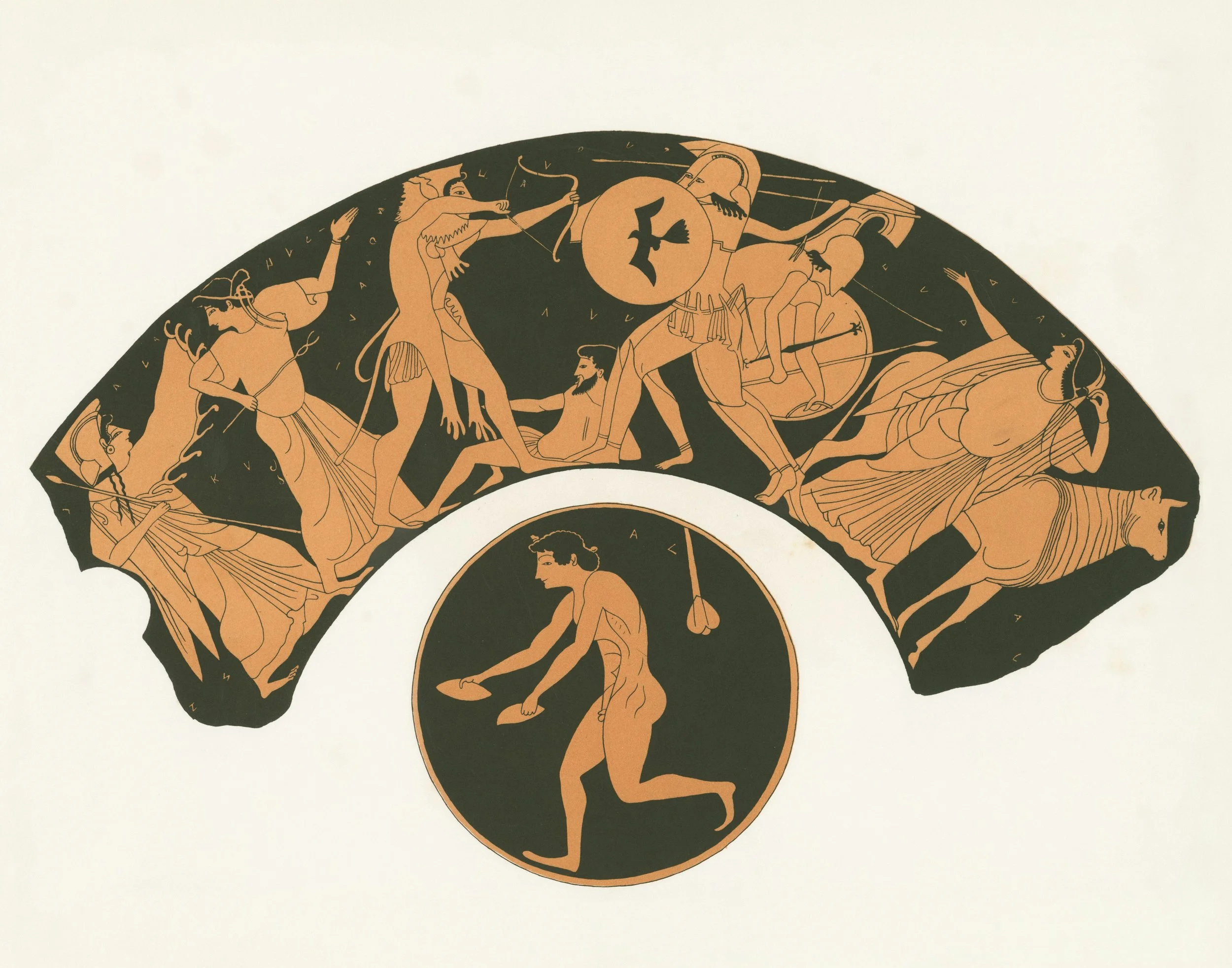
Arts Ed Myths and Misconceptions
Most people agree in theory that arts education is important. That said, many have an incomplete understanding of what arts education is and why many students don’t have access to it. Regardless of group identity— decisionmakers, educators, and others— individuals come with a unique understanding of the arts and its role in society and education that is often shaped by communal axioms and misconceptions.. Common (mis)understandings about the arts exist in the zeitgeist. This article describes some of the myths surrounding arts education with suggestions for counteracting prevailing beliefs.
Policy Paradox: Accountability in Arts Ed
A policy paradox describes the difference between policy and practice. A state may have robust policies related to arts education on the books, but school district reality might tell a different story. In the field of arts education, what is the relationship between policy and practice? How are states held accountable to ensure local education agencies comply with the law? And, finally, can we transform the notion of accountability from a compliance score to a demonstration of value? As with everything arts ed, it’s complicated.
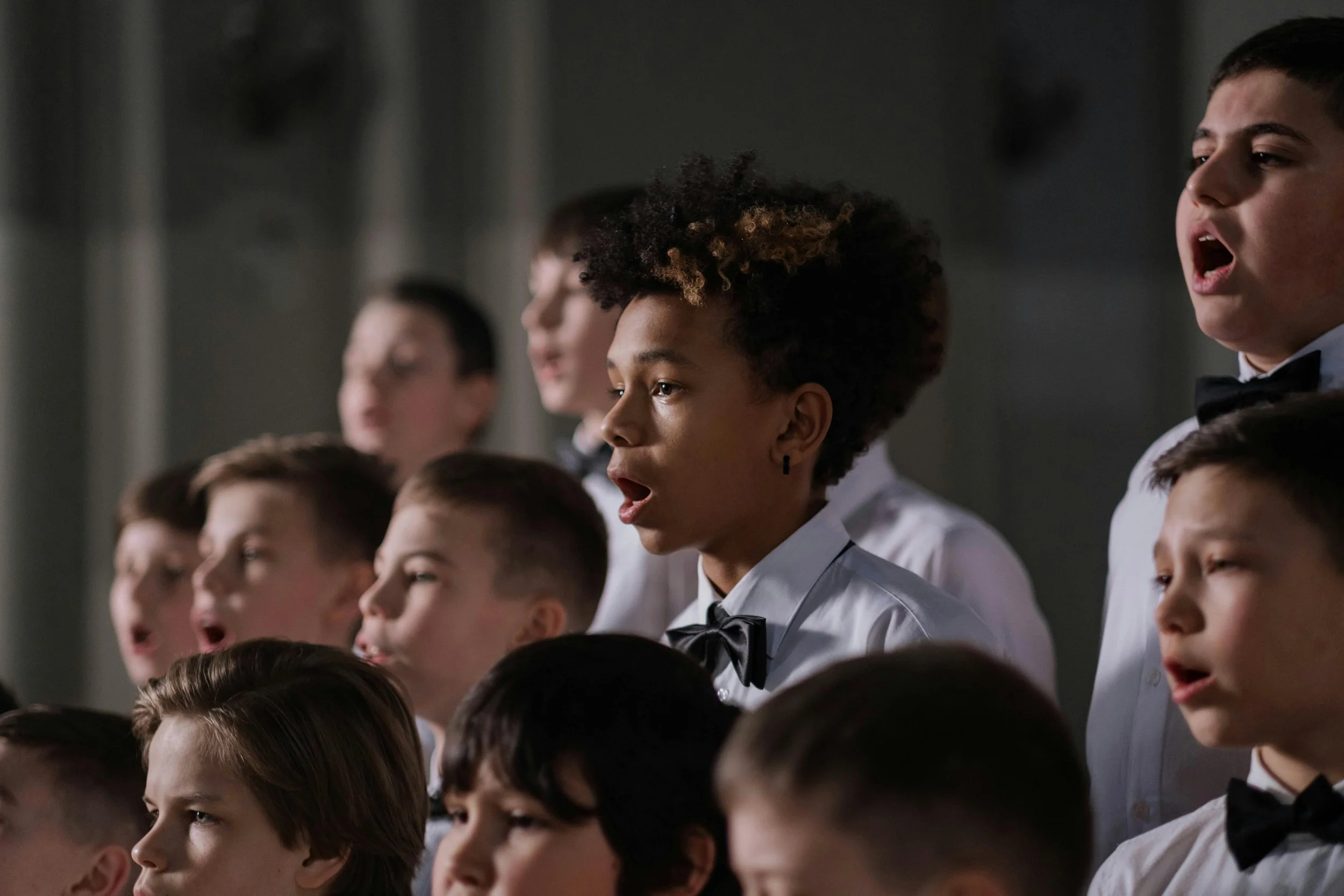
Staggered Breathing: Managing Setbacks in Arts Ed
This article is an exploration of how to manage setbacks in arts education. A setback is typically an unwelcome external force that inhibits our goals. Each setback requires its own solution. Each must be considered in context, with unique local, demographic, geographic, and political forces at play. Useful practices to manage setbacks include taking a step back, creating a cadre of informal advisors, mobilizing for action, and coalition building for the long game.

Take the Win: Everyday Advocates for Arts Ed
Arts ed advocates of every generation since the 1970’s have had one eye on the future and one on the immediacy of the moment. We have worked collectively to garner many wins—small and large, local and national—that have fueled progress in the field. It’s important to acknowledge and celebrate every success.

Art and Awe
Once thought an emotion that was beyond measurement, awe is now studied as a distinct emotion that can be measured. It is also proving a benefit to mental and physical health. In our quest to prove value for the arts in education, we overlook the awe factor that arts learning can inspire. In linking arts learning to academic outcomes, higher test scores, or workforce readiness, we forget about awe.

Taking Stock: Understanding Your State’s Arts Ed Landscape
Taking stock in arts education is about more than assessing current inventory. Taking stock is also about knowing which way the winds blow and conceptualizing a path forward. The State of Arts Education in Colorado Public Schools is a collaboration between Colorado Business Commiittee for the Arts and Think 360 Arts for Learning, bringing together policy know-how and deep content knowledge to carve a new approach to arts ed advocacy.

The Road Ahead for Arts Ed: It’s Wilder Than You Think
Arts education is poised to take center stage. Human creativity—what distinguishes us from artificial intelligence—will take the spotlight if we work together to make it so. This article explores opportunities in policy development and accountability, research and data, and expanding the role of media arts.

Beyond the Notes: One Man’s Journey
Farzin Dehgan Manshadi immigrated to Nashville in 2011. This is his story — from his arrival at age 15 to earning advanced music degrees at two prestigious institutions. It is also a story of the adults who supported him along the way. And his growing belief that artists must step up and embrace responsibility for the health of their communities .